

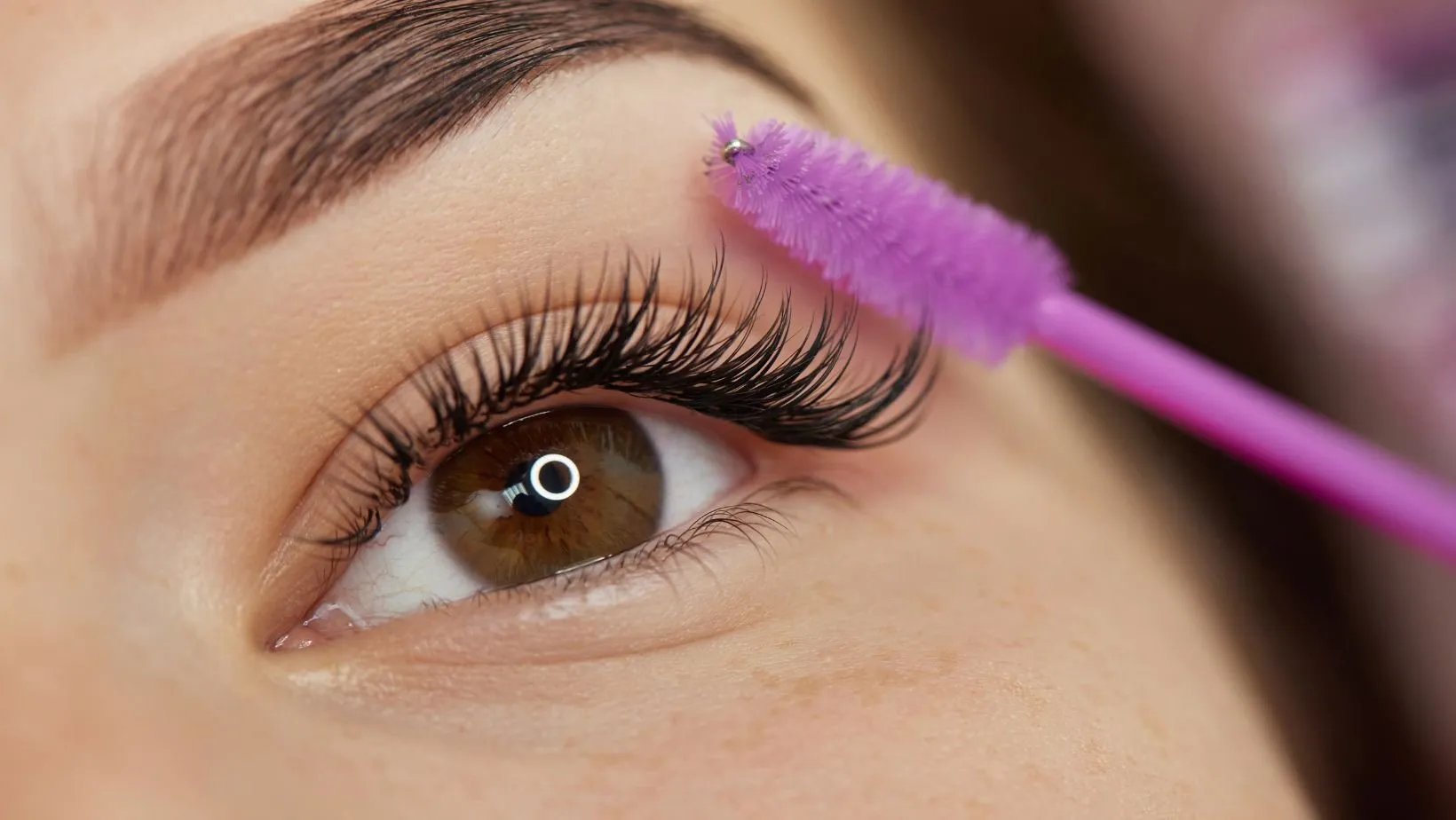
Lash sets run two hours, fills take ninety minutes, and a patch test comes before either one. Try juggling that on a paper planner and you’ll soon be erasing arrows. A well-built booking app for lash technicians treats those details as the starting point instead of an afterthought.
Skin treatments bring their own twists, like consultation forms and recovery windows between stronger procedures. Let’s look at what each specialty really needs from its calendar, and how the right setup keeps a precise business running smoothly from open to close.
Time That Matches the Treatment
A classic set, a volume set and a lash lift all use different amounts of chair time. If your calendar gives everything the same one-hour block, you’ll be running late by lunch, and every client after that pays for it with a longer wait in the lobby. Patch tests and consultations deserve their own slots, too, instead of being squeezed into the start of another visit.
Build each service length once, cleanup included. After that, the schedule protects you from your own optimism. You stop promising that “it only takes a minute” and start finishing on the time you actually quoted at the start. Clients appreciate a day that runs on time, and they respect your schedule more when you respect it first.
Fills, Gaps and Spacing Rules
Estheticians face something similar with facials, peels and waxing. Good booking software for estheticians lets you add room turnover buffers and keep stronger treatments properly spaced apart, so a client can’t book two intense peels in the same week by accident. It’s the easiest way to stop one slow appointment from stretching into three late ones.
For lash artists, fill pricing depends on how long it’s been since the last visit. Let the system show clients which option fits their timeline, so you aren’t doing the math at the door while a nervous client waits on the bed. It also keeps the first few minutes of a visit for conversation instead of pricing.
Paperwork Before the Appointment
Allergies, skin conditions, medications and past reactions all matter. Collecting that information ahead of time saves ten awkward minutes at the door and gives you a chance to adjust your products before the client is lying down, relaxed and ready to start. It also gives anxious clients time to read the questions properly instead of rushing.
Digital forms also leave a record you can look up later. If a client reacts oddly to a product, you’ll know exactly what was used and when, which protects both her skin and your reputation if questions ever come up down the line. Notes from past visits are just as useful as the forms themselves.
Keeping Regulars Coming Back
Aftercare messages show you care. A short note the evening of a facial or lash set cuts down on panicked texts the next morning and builds trust before the next visit, since clients feel looked after instead of simply processed like a ticket number. It’s a thoughtful touch that costs nothing and gets noticed.
Rebooking prompts sent at the right moment, say three weeks after a set, stop your fills from slipping into full replacements. That’s better for her lashes, better for your calendar, and far easier than chasing people one by one by hand. Clients usually thank you for the nudge instead of complaining about it.
Small Touches That Set You Apart
Little things get remembered. A tidy room, a clear explanation before you start, a calm voice when someone feels nervous about her first lift. Clients rarely mention these details out loud, but they quietly decide who gets rebooked and who gets forgotten. Those quiet details are what most people mean when they say a place feels professional.
Share your results with permission and write short captions explaining what you did. People trust a specialist who teaches a little, and sharing your process saves you from answering the same handful of questions in your messages again and again. Teaching a little also builds trust before the client even arrives.
Detail Work Deserves Detail-Friendly Tools
Precision is the reason clients choose you. Your scheduling should be just as careful, with proper service lengths, intake forms and reminders all working quietly in the background while you concentrate on the work in front of you. That’s the sort of attention that turns a single visit into a standing monthly habit.
To explore a system built around that kind of care, check out readyhubb.com when you’ve got a free minute between clients.