

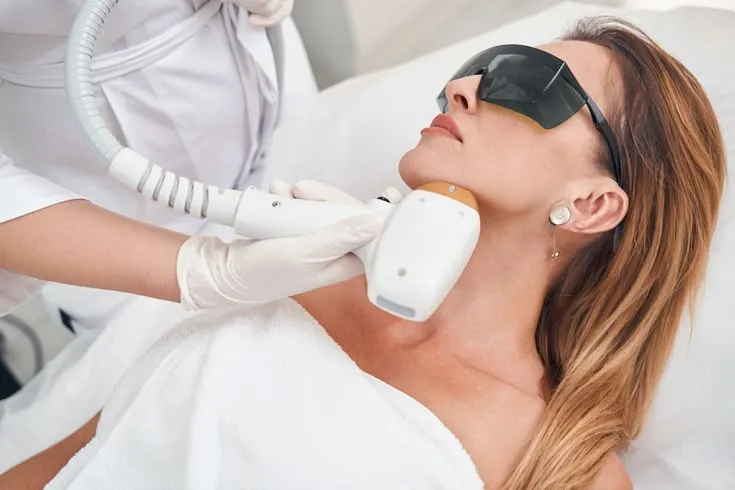
A busy schedule can make personal care appointments difficult to organize, especially when a treatment requires several visits or recovery time. Hair reduction and skin rejuvenation are different concerns, but both benefit from thoughtful planning. Someone considering laser hair removal should understand how treatment intervals work, while a person seeking improved skin texture may need to consider temporary redness and aftercare. Comparing these requirements before scheduling helps people make informed choices without interfering unnecessarily with work, travel, exercise, or important occasions. The goal is to choose appropriate care rather than rush through a treatment course.
Understand the Different Treatment Goals
Laser hair reduction targets pigment in hair follicles, using controlled light energy to reduce future hair growth. Results depend on factors including hair color, skin tone, treatment settings, and the stage of the hair growth cycle. Multiple appointments are generally necessary.
Skin rejuvenation treatments address different concerns, such as uneven texture, certain acne scars, and visible signs of aging. They do not work through the same mechanism as hair reduction. Identifying the main concern first helps prevent unnecessary procedures.
Allow Time Between Hair Reduction Sessions
Hair grows in cycles, so not every follicle responds to laser treatment during one appointment. Sessions are typically separated by several weeks, although the appropriate interval varies by body area, device, and individual response.
Planning should include more than the appointment itself. The provider may recommend avoiding tanning, certain skin products, and particular hair removal methods before treatment. Clients should follow device-specific preparation instructions and discuss medication or skin changes before each visit.
Explore RF Microneedling for Skin Texture
Professional radiofrequency microneedling combines controlled needle penetration with radiofrequency energy delivered within the skin. This approach is used to stimulate tissue remodeling and may improve selected texture concerns over time.
Filer Wellness Center lists the Lutronic Genius system among its aesthetic services. Because treatment depth, energy settings, and skin characteristics matter, clients should ask about expected results, possible complications, and provider qualifications. It is not a substitute for a medical evaluation of active skin conditions.
Match Appointments to Everyday Activities
Appointments scheduled immediately before photographs, vacations, or demanding workdays may create unnecessary inconvenience. Temporary redness, swelling, or sensitivity can occur after certain aesthetic procedures, and recovery experiences differ among individuals.
Providers should explain when makeup, vigorous exercise, sun exposure, and active skincare ingredients can safely resume. Leaving reasonable flexibility around a new treatment makes it easier to follow instructions and observe unexpected reactions without feeling pressured.
Prepare Questions Before the Consultation
A successful consultation should assess treatment goals, medical history, current products, and previous procedures. Photosensitivity, medications, recent tanning, and certain skin conditions can affect suitability for energy-based treatments.
Useful questions include:
-
Which device will be used and why?
-
How many sessions are likely to be recommended?
-
What preparation is required before each appointment?
-
Which reactions are expected, and which need medical attention?
-
What activities should be avoided afterward?
-
How will improvement be evaluated?
Written answers can help patients compare options and plan responsibly.
Consider Different Skin Types and Histories
Energy-based procedures should be selected carefully for the individual’s skin characteristics. Recent sun exposure, pigmentation tendencies, scarring history, and existing irritation may influence treatment decisions or require additional precautions.
Clients should also explain whether they have undergone recent chemical peels, injectable treatments, or other procedures. Combining services without adequate spacing may increase irritation or complicate recovery. A qualified clinician should determine appropriate timing rather than relying on a generic online schedule.
Support Recovery With Consistent Habits
Sun protection is especially important when skin is recovering from light-based or resurfacing treatments. Gentle skincare and avoiding unnecessary irritation can support recovery, but individual aftercare instructions should always take priority over general suggestions.
Patients should not assume that more frequent appointments will produce faster improvements. Following recommended intervals gives the provider an opportunity to assess progress and adjust the treatment plan. Reporting persistent discomfort or unusual skin changes promptly is equally important.
Conclusion
Skin treatments fit more comfortably into everyday life when expectations, appointment intervals, and recovery needs are understood in advance. Laser hair reduction and RF microneedling target different concerns, so neither should be chosen simply because it is convenient or popular. A careful consultation can clarify suitability, likely benefits, limitations, and aftercare. People exploring these aesthetic services in Pittsburgh can review the available options through filerwellness.com and develop a schedule that respects their personal priorities, skin health, and long-term treatment goals.